
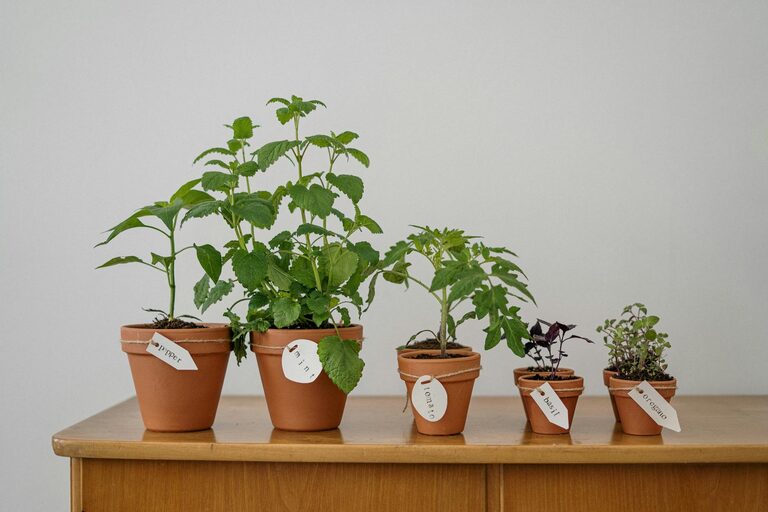
Growing your own herbs indoors is a rewarding and practical way to add fresh flavors to your meals. Whether you have limited outdoor space or want to enjoy gardening year-round, an indoor herb garden can brighten your kitchen and boost your cooking. This guide will walk you through the essentials of starting a small herb garden indoors, covering everything from selecting herbs to maintenance tips.
Why Grow Herbs Indoors?
Indoor herb gardening offers several benefits:
– Freshness: Pick herbs right when you need them for the freshest taste.
– Convenience: No need to run to the store or worry about outdoor weather conditions.
– Space-saving: Perfect for apartments or homes without gardens.
– Decoration: Green plants add charm and a touch of nature indoors.
– Learning: Great way to explore gardening and understand plant care.
Choosing the Right Herbs for Indoor Growing
Some herbs adapt better to indoor growing conditions than others. Here are popular choices ideal for beginners:
– Basil: Popular in many dishes; loves warmth and sunlight.
– Parsley: Versatile and hardy, grows well in moderate light.
– Mint: Easy to grow but can spread quickly; best in a separate pot.
– Chives: Compact with a mild onion flavor, tolerates shade.
– Thyme: Small leaves and woody stems; prefers sunny spots.
– Cilantro: Fast-growing but prefers cooler indoor temperatures.
– Oregano: Hardy herb; needs bright light and well-drained soil.
What You’ll Need to Start Your Indoor Herb Garden
Before planting, gather these basic supplies:
– Containers: Pots with drainage holes to prevent waterlogging.
– Potting Soil: Lightweight, well-draining soil suited for herbs.
– Herb Seeds or Seedlings: Choose according to your preferred herbs.
– Watering Can or Spray Bottle: For gentle watering.
– Grow Light (optional): Helpful if natural light is limited.
– Labels: To identify different herbs as they grow.
Step-by-Step Guide to Setting Up Your Indoor Herb Garden
1. Select the Location
Choose a spot with plenty of natural light—ideally a south-facing window where herbs can get 6 to 8 hours of direct sunlight. If natural light is insufficient, consider using a grow light for 10 to 12 hours a day.
2. Choose the Right Containers
Select pots that suit the size of your herbs but are not too large, as herbs prefer slightly crowded roots. Make sure each container has drainage holes to prevent root rot.
3. Prepare the Soil
Use a high-quality potting mix designed for indoor plants. Avoid garden soil, which can be too heavy and may contain pests.
4. Plant Seeds or Transplant Seedlings
– If planting seeds, follow the seed packet instructions regarding depth and spacing.
– For seedlings, gently loosen roots before planting to encourage growth.
– Water immediately after planting to settle the soil.
5. Water Properly
Herbs generally prefer moist but not soggy soil. Water when the top inch of soil feels dry to the touch. Overwatering can cause root rot, so be cautious.
6. Provide Adequate Light
Rotate pots weekly if using natural sunlight to ensure even growth. If using grow lights, position them about 6 to 12 inches above the plants.
7. Maintain Your Herbs
– Fertilize: Use a diluted balanced fertilizer once a month for healthy growth.
– Prune regularly: Pinch off flowers and trim leaves to encourage bushier plants.
– Check for pests: Inspect leaves for signs of insects and deal with them promptly.
– Repot if needed: When herbs outgrow their containers, transplant them to larger pots.
Tips for Successful Indoor Herb Gardening
– Start small: Begin with 3 to 5 easy-care herbs to prevent overwhelming yourself.
– Use trays or saucers: Place pots on trays to catch excess water and protect surfaces.
– Keep humidity in mind: Indoor air can be dry; mist herbs occasionally or use a humidity tray.
– Harvest smart: Pick leaves regularly but never remove more than one-third of the plant at once.
– Keep records: Track watering, light conditions, and plant growth to fine-tune your care routine.
Troubleshooting Common Issues
– Yellow leaves: May indicate overwatering or poor drainage.
– Leggy plants: Often a sign of inadequate light; move plants closer to light sources.
– Wilting: Could be from underwatering or heat stress.
– Pests: Look for small insects and use natural remedies such as neem oil if necessary.
Enjoy Your Herbal Harvest
Once your indoor herb garden is thriving, you can harvest fresh leaves anytime. Use herbs to enhance soups, salads, teas, and more. Growing herbs indoors is not only practical but also a delightful way to connect with nature daily.
Conclusion
Starting a small herb garden indoors is easier than you might think. With a little planning and care, you can enjoy fresh, aromatic herbs right from your windowsill. Remember to select suitable herbs, provide the right environment, and nurture your plants with consistent care. Happy gardening!
—
Feel free to share your indoor herb garden experiences or ask questions in the comments below!