
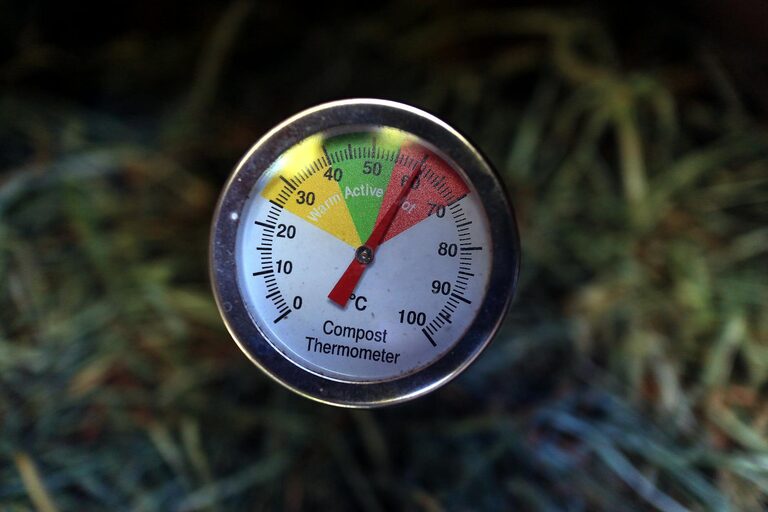
Composting at home is a rewarding way to reduce household waste while enriching your garden soil naturally. Whether you’re new to gardening or simply want to minimize your environmental footprint, starting a compost pile or bin can seem intimidating at first. But with a few simple tips, you can easily create a thriving compost system that turns kitchen scraps and yard waste into valuable organic matter. This guide will walk you through beginner-friendly steps to help you start composting at home successfully.
What Is Composting?
Composting is the natural process of breaking down organic materials, like food scraps and plant residues, into a dark, crumbly substance known as humus. This nutrient-rich product enhances soil health, improves moisture retention, and supports stronger plant growth. Composting also reduces the volume of trash sent to landfills, helping to cut down on greenhouse gas emissions.
Why Start Composting at Home?
– Reduce waste: About 30% of household waste can be composted, reducing the amount sent to landfills.
– Save money: Compost can lessen the need for chemical fertilizers and soil conditioners.
– Improve garden health: Compost adds nutrients that nourish plants and support beneficial soil life.
– Environmentally friendly: Composting lowers methane production from landfills and conserves resources.
Getting Started: Choose Your Composting Method
There are several ways to compost at home, and the choice depends on your available space, time, and preferences.
Backyard Compost Bin
A backyard bin or pile is ideal if you have enough outdoor space. You can purchase a compost bin or build one using wood pallets or wire mesh. Bins keep compost contained and can speed up decomposition.
Tumbler Compost Bin
Compost tumblers are sealed containers on a rotating axis. They’re great for smaller yards and make turning the compost easy, which helps aerate the materials and accelerate breakdown.
Indoor Composting
If outdoor space is limited, you can compost indoors using specialized containers like worm bins (vermicomposting) or bokashi buckets for fermenting scraps. These options work well for apartment dwellers.
What Can You Compost?
Understanding the right materials to compost is crucial for success.
Greens (Nitrogen-rich materials)
– Fruit and vegetable scraps
– Coffee grounds and filters
– Tea bags (without staples)
– Fresh grass clippings
– Houseplant trimmings
Browns (Carbon-rich materials)
– Dry leaves
– Straw or hay
– Shredded paper and cardboard (non-glossy)
– Sawdust from untreated wood
– Dead plants and twigs
What to Avoid
– Meat, dairy, and oily foods (attract pests)
– Diseased plants
– Pet waste
– Chemically treated wood or plants
– Fats and grease
Tips for Starting Your Compost Pile
1. Pick a Good Location
Choose a spot with good drainage and partial shade to maintain moisture without drying out or overheating. It should be convenient for adding materials but out of the way.
2. Layer Greens and Browns
Start by layering brown materials at the bottom to promote airflow. Alternate layers of greens and browns, aiming for about 3 parts browns to 1 part greens by volume. This balance helps maintain proper decomposition and reduces odor.
3. Keep It Moist
Materials should be as damp as a wrung-out sponge. Too dry, and decomposition slows; too wet, and the pile may smell. Water the pile occasionally if it feels dry.
4. Aerate Regularly
Turn or mix your compost every one to two weeks to introduce oxygen, which microbes need to work effectively. This also helps speed up the composting process.
5. Be Patient
Composting can take anywhere from a few months to a year, depending on conditions and materials. Finished compost is dark, crumbly, and earthy-smelling.
Troubleshooting Common Issues
Compost Smells Bad?
Usually caused by too much moisture or an imbalance of greens and browns. Add more dry browns and turn the pile for better aeration.
Pests Invading Compost?
Avoid adding meat, dairy, or oily foods. Use a sealed bin or cover food scraps with brown material to deter animals.
Compost Is Dry and Slow to Decompose?
Add water and green materials, then turn the pile to increase moisture and microbial activity.
Using Your Finished Compost
When the compost is ready, it can be mixed into garden beds, used as mulch around trees and shrubs, or added to potting soil. It improves soil texture, helps retain moisture, and provides vital nutrients for healthy plants.
Additional Resources for Beginner Composters
– Local extension services often offer composting workshops.
– Online forums and gardening groups can provide community support.
– Many cities run compost programs that accept yard and kitchen waste.
Final Thoughts
Starting to compost at home is a manageable and eco-friendly project that benefits your garden and the planet. By following these beginner tips—choosing the right method, balancing your materials, and maintaining your compost pile—you’ll turn everyday waste into a valuable resource. Happy composting!
—
Ready to start? Gather your kitchen scraps and yard waste today, select your composting system, and enjoy the satisfying process of creating your own natural fertilizer right at home.